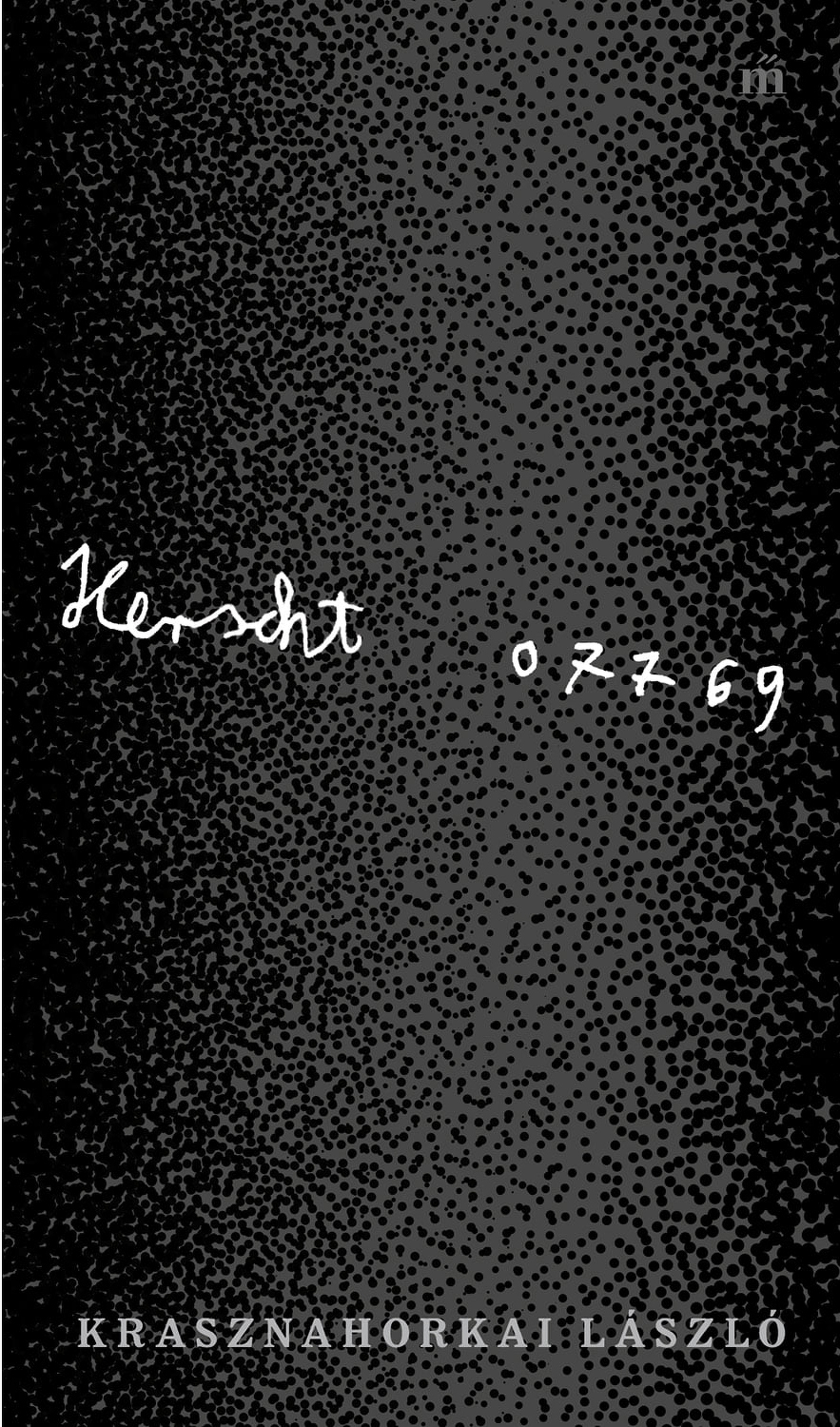
📚 Herscht 07769 by László Krasznahorkai
Reading this book was one of the most profound experiences of art I’ve had all year. Written in 2021 by Romanian Nobel Laureate László Krasznahorkai, the reader is given a penetrating look into a thinly fictionalized East German village. The narrative centers around Florian Herscht, a muscular yet boyishly naive and good hearted young man who doesn’t quite understand that he works for a neo-nazi.
Halfway through I noticed for the first time that the book is entirely one sentence. In interviews the author talks of his writing as having “velocity” and I have to agree. The narration moves unceasingly from one townsperson to the next picking up the inflections and worldview of whoever is currently being described. I’ve never experienced anything quite like it. In a very short time the town of Kana felt completely inhabited.
I was surprised that most reviews say the book is bleak or difficult. I found that the first half described the inhabitants of this small town in ways that were darkly humorous and sometimes even endearing. As the action picks up the story changes to be about the ways they react to fear and chaos in their own ways. Some appealing to the higher powers of God and government, others becoming nihilistic, some numbing themselves, and others transforming in completely unexpected ways.
After reading this, I did a little research and found out that this specific area of Germany is having a serious resurgence of dangerous far right activity in real life. You could say that this book shows the way that fear and nationalistic nostalgia mixed with an economic downturn create the conditions for movements like virulent fascism but I think it goes deeper than that. It also shows the little ways the townspeople give their lives meaning against the backdrop of chaos and randomness. From the post office workers to the town drunk to the amateur meteorologist- everyone’s seemingly erratic behavior makes sense within their own richly depicted yet contradictory inner world.
As usual it got me thinking about my Zen practice which says that suffering cannot be escaped from but only looked at deeply, understood, and transformed. Viewed through this lens the book is not a nihilistic celebration of suffering but an exercise at looking deeply and, if we’re lucky, eventual transformation.