🎵 Back To School Listening
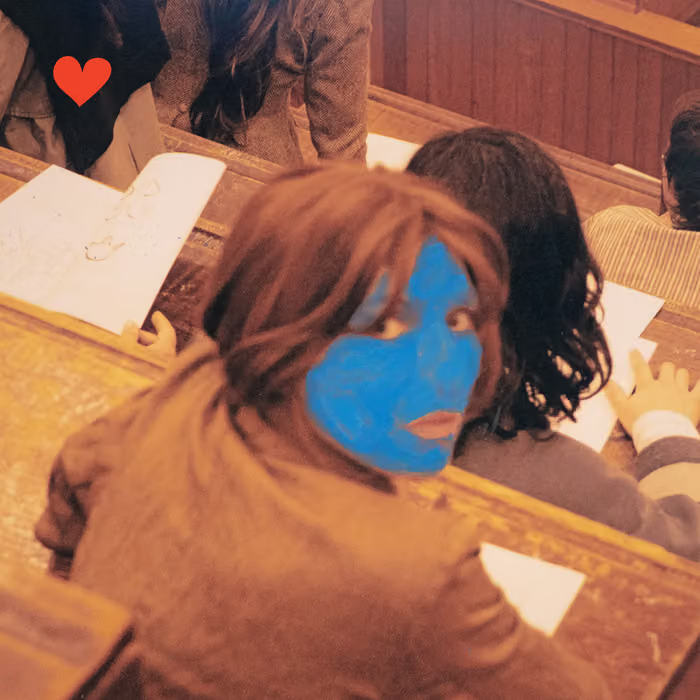
Lambchop - Punching the Clown (2026) Aldous Harding - Train on the Island (2026)
Greetings from a new chapter of my life, I got a big chunk of the new Mutual Benefit album recorded and then immediately started my undergrad at Brooklyn College which is a very new experience for me. Although I’m enjoying the structured learning environment, I’m definitely struggling with the total evaporation of my free time. Now that I’m getting used to my new routine, I’m hoping to have more time to write again.
Since it has been a while, I wanted to mention two recent albums that have touched me deeply.
First up is Lambchop’s Punching the Clown. I’m in awe of the incredible alt-Americana songwriting that doesn’t stray from difficult truths of living in this country right now. The album is almost entirely voice, guitar, banjo, and choir which is used to great effect. It has been a while since I was so delighted by the musical and lyrical choices of a record.
My friend Jenn recommended the new album from New Zealand singer-songwriter Aldous Harding. We played together years ago in London and it has been fun to see her career blossom. It can sometimes be hard for me to get into highly produced big indie albums but this one feels carefully crafted and brimming with beauty, darkness, wit, and talent.
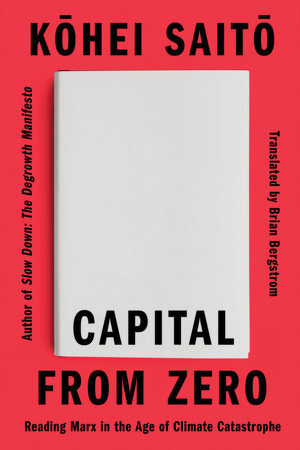
Capital From Zero by Kohei Saito (2026)
I just read Kohei Saito’s new environmental read on Marx’s Capital which might be too simplistic for some but proved to be a great entry point for me since it took the time to define some of ther terms that trip me up in more advanced leftist books.
Saito’s previous book, Slow Down: The Degrowth Manifesto, laid out the case for “degrowth communism” which isn’t the sort of USSR style state-run communism that leads to consolidated power and repression but more like how Marx meant it, where basic needs are “de-commodified” and made by unions of workers in a democratically governed workplace optimized for shorter work hours instead of profit.
This idea of decommodification is very compelling to me as someone who saw water fountains slowly replaced by bottled water while housing and healthcare got more and more outrageously expensive. It is easy to see the ruthless logic of money(or as Marx calls it, exchange value) expanding into every aspect of human life- all the way up to relationships, spirituality, and time itself!
Marx advocated for a system based on the use-value of goods, meaning valuing things by how useful they are to human flourishing instead of exchange-value which makes everything become a commodity that enters a market and often obtains value from marketing more than its use in society. Eventually “the market” forces brutal competition between companies leading to cost cutting, devaluing of labor, and an often inferior product putting corporations in an oppositional role to human flourishing and environmental stewardship.
If the planet can’t support capitalism’s need for infinite growth then it makes sense for Saito to call for de-growth. Obviously that can’t just happen overnight, it is a fundamentally different way of existing for us in the global north. But I do like the idea of starting with what we can control. What are things in our life that can be de-commodified? What brings us a deep feeling of fulfillment, of rest, of connectedness, of spiritual awe, of love? If I had to guess, I’d say these things have nothing to do with sitting at a desk and trying to obtain more commodities.
Instead Saito takes time to separate the idea of societal wealth (things that make a life well lived in a place) versus commodities (when something is given exchange value and then must be exploited) and wants us to pay attention to and protect our societal wealth from commodification.
This book connected some dots for me, especially my recent obsession with untangling the feeling of time with the need to be always doing something productive towards one of my many projects. I’d like to better reorient my energy towards fulfilment, meaning, and connection rather than growth. It would be unbelievably hard but the question is tantalizing: is it possible for our society to consume less, not stress about basic necessities, have a deeply fulfilling and collective life, not exploit the labor of poorer countries, and not overheat the planet at the same time? Kohei Saito says yes.
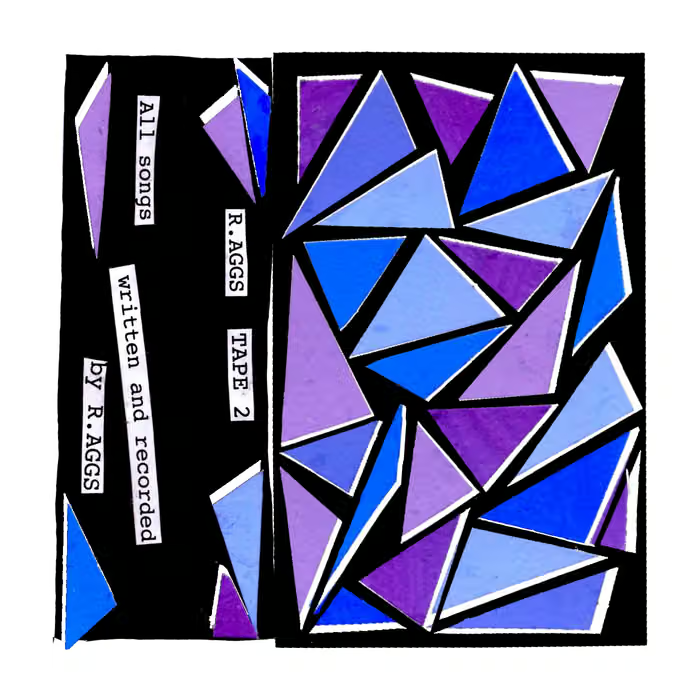
🎵 R.AGGS - TAPE 2
I was a fan of Ray’s first tape from six years ago so I was delighted to see a new one self-released. TAPE 2 features their signature fiddle and drum machine combo with glimmers of the guitar and singing prevalent in their other projects. I feel especially drawn to side B.
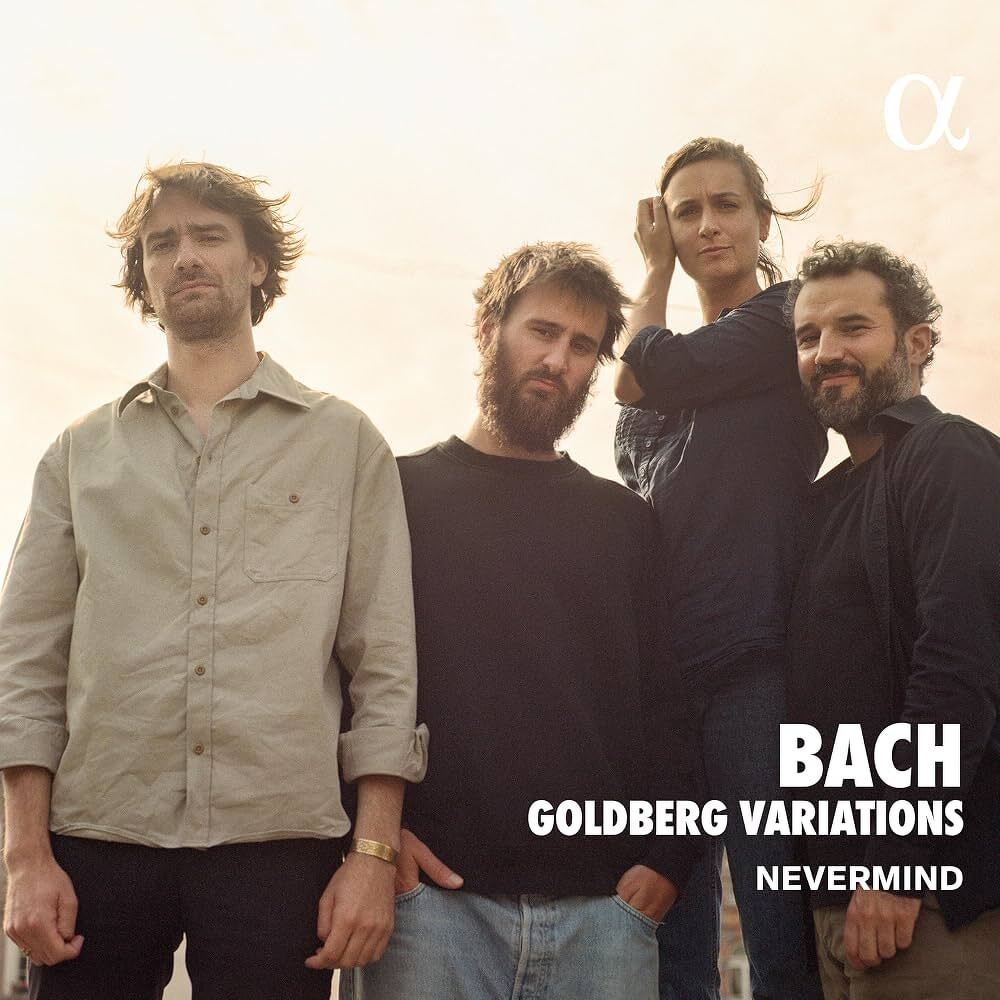
Bach - 'Goldberg Variations, BWV 988: Aria' by Nevermind
In the article I recently posted about Byung-Chul Han a detail caught my eye, that he has a grand piano next to his writing desk, and that he plays the same Bach Aria on it every day as part of his writing process. I’ve had trouble finding my own entry point into the imposingly large number of Bach compositions but I was intrigued by the song that is such an inextricable part of Han’s daily writing and thinking.
The truth is I still don’t think I “get it” the way some people see perfect mathematical beauty in his writing but I do think this short song does have incredible depth as the melody and countermelody are like two winding parallel rivers that occasionally intersect. I downloaded the sheet music and it is a true doozy to try to synchronize the left and right hands despite the deceptively simple sound.
Although it is originally written for harpsichord and usually played on piano. I think this adaptation for baroque instruments played by the group Nevermind brings out a lot of the innate beauty of the song that was hiding a bit on my first couple listens.
(the video embeded above is not viewable on the newsletter digest)
📚 Getting Off with the Luddites
I’ve been impressed and inspired by the NYC luddite scene which has helped historically contextualize this dystopian big tech moment and wisely pointed to the positives of community, solidarity, and FUN instead of just the evils of technology. I found myself vigorously agreeing with most of this great profile of them in n+1. Perhaps it could be a new political home to try out?
Getting Off with the Luddites | Sarah Thankam Mathews
The Luddites see Big Tech as having eroded commonality: the common good, the social fabric, the institutions of collective interest. Luddism, as they conceive of it, is a communal, spiritual, and political project centered on three things: reclaiming collective agency away from Big Tech and its attention-fracking, data-capturing, social erosion project; re-enchanting public life through public events that help people experience connection; and fostering a world rooted in localism, public goods, care, fun, democracy, and what one Luddite I spoke to referred to as “collective effervescence.”
🎵 Sonny Rollins - The Bridge (1962)
When I started this blog in January, I was interested in giving myself a space to find organic musical connections outside of the flood of new albums that release faster than can be contextualized. For years I had found the flow of the new too fast and the historical archives too vast to engage with. What I can keep up with is music that comes into my life through friends, circumstances, and coincidences. It is the latter category which brings Sonny Rollin’s The Bridge into my life.
Last weekend I attended Newport Jazz Fest for the fourth year. It functions partly as a way to learn to appreciate jazz through immersion and also as a yearly family vacation that fits the venn diagram of everyone’s interest. Little by little I have started seeing the immensity of the genre- the far out music theory, the virtuosic playing, the skill of listening and playing simultaneously during improvisation, the vital ways it shaped other music. This year had newcomers like SML which push jazz in a modular synth and krautrock direction alongside soul-stirring legends like Charles Lloyd.
When I got back home from the trip, I felt a strong urge to walk across the Williamsburg Bridge, which connects Manhattan to Brooklyn over the East River. It is a beautiful stroll that always helps me clear my mind and appreciate the immensity of the city against the water. On the train ride back I saw a article in n+1 written by Nate Wooley about the jazz saxophonist Sonny Rollins, someone I had always meant to check out. I had no idea that from 1959 to 1961 Rollins took a break from recording and performing and went to that very bridge every single day to practice saxophone for hours!!
When I got home I gave his album based off of this time, aptly named The Bridge, a listen. At first it seemed like any other jazz album that might be playing in the background somewhere, but I let myself settle in and hear his years of searching while looking at the same water I had just peered into. I thought about what other music was being performed in America in 1962, stuff like I Want To Hold Your Hand by the Beatles. I appreciated the delicate ways his melodies threaded through space and the expert accompaniment the guitar layed down making the complex sound simple. I’m sure someone has told me to listen to this album in the past yet it took the actual living of life before it sank in.

🍿 Triple Odyssey
Last week I watched Christopher Nolan’s blockbuster The Odyssey and a re-release of Ross McElwee’s 1985 documentary, Sherman’s March, which abruptly shifts from retracing the effects of the final civil war battles to the director’s own floundering love life against the backdrop of an American south afraid of a Soviet nuclear strike. There was a strange resonance between Odysseus, General Sherman, and McElwee as these pained men inflict destruction on others in a society rapidly changing around them.
Homer’s epic poem may be the archetype for the hero’s journey but it is a bit sad to see this very masculine and self-oriented blueprint still be relevant 2700 years later. The philosopher (and WW2 refugee) Simone Weil had an interesting take on Homer’s other poem in her essay “The Iliad, or The Poem of Force” where the synopsis (according to Wikipedia) is
The true hero, the true subject, the centre of the Iliad, is force. Force employed by man, force that enslaves man, force before which man’s flesh shrinks away. In this work, at all times, the human spirit is shown as modified by its relations with force, as swept away, blinded, by the very force it imagined it could handle, as deformed by the weight of the force it submits to.
In a way, Sherman’s March shows the interior stakes of this. He continually barges into these women’s lives and expects to be loved while rarely showing thoughtfulness or interest beyond a sort of infatuation. It takes on the character of conquest rather than encounter. While McElwee is sinking deeper into depression a date shows him her family’s fallout shelter, another shows him a right-wing separatist compound, another ex is burnt out from a decade of anti-nuclear activism and is moving across the country. With the Weil reframing, you can see how it is force itself as the motivating force animating these fearful sorts of reactions.
I thoroughly enjoyed both movies but found myself wondering if it is different types of myths that I wish for or if Simone Weil was right and we the reason these stories persist is that we are forever at the mercy of force whether we want to think about it or not.
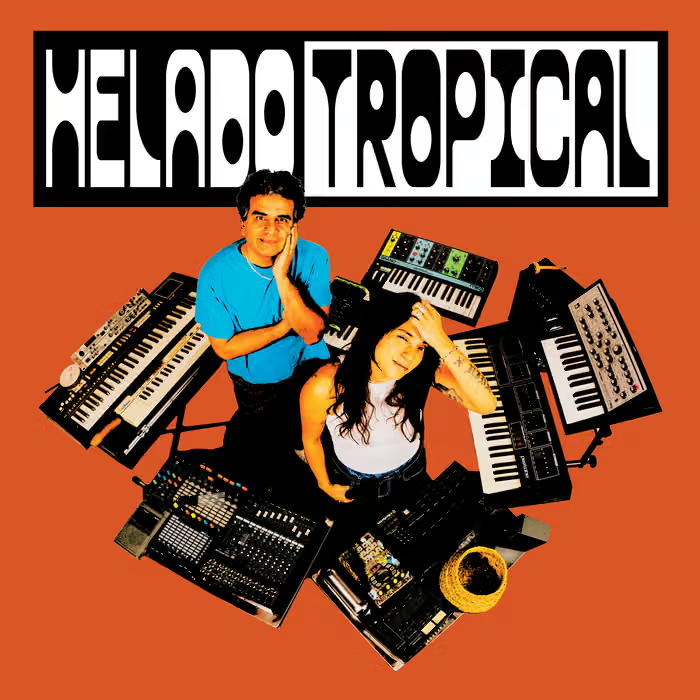
Helado Tropical - s/t (Psychic Hotline / 2026)
I have listened to the laid back synth pop of Helado Negro for almost 20 years so I was eager to hear his collaboration with Reyna Tropical whose upbeat Latin pop seemed like grounds for a great combination. I’m loving the echoing electronic grooves!
A great primer on the work of Byung-Chul Han
It is safe to say my life has been changed by years of reading the slim philosophy books of Byung-Chul Han. But his way of thinking is very hard to pin down. I thought Why Is Digital Freedom Making Us Exhausted and Sad? by Matt Elmore did a great job tying together his various projects as well as providing some elusive life context. I highly recommend reading it.
My entrypoint to his work was through his book Burnout Society which offers a blistering critique of digital life during late stage capitalism, where “self” becomes a project that must be constantly mastered and freedom turns into a need to always be achieving. There is no rest, just exhaustion and anxiety fueled by an inner boss who can’t be hidden from.
But it was work on rest and time through books like Vita Contemplativa and The Scent of Time that changed my whole paradigm. When there is no contemplation, action loses its meaning. Without inner space it is not possible to have deep encounters and our feeling of time becomes disjointed without any “scaffolding” for memories to be built. This was starting to sound suspiciously like some of the ideas of Zen and lo and behold, he had written The Philosophy of Zen Buddhism which theorized it from a very interesting angle.
I think this article does a good job of showing some of the unresolved (dialectical?) ideas that make his work so compelling to me. He clearly loves German romanticism and the pursuit of eros or beauty but also shows the deep need for inner space created by contemplative traditions. He lands somewhere very interesting where space and beauty work together. That a self shouldn’t be an insular 24/7 project of improvement (which shuts out the world) but a thing that can be loosened so that the immensity of the world can come through in a more profound way. I’ll end this with a quote from the article.
A life organized entirely around the self — its projects, its performance, its wants — leaves no room for the kind of relations in which freedom can actually take shape. The word freedom, Han likes to note, shares a root with friend. One is not free alone. Freedom arises from vulnerability. It begins not in mastery but in exposure, where one is no longer fully one’s own.

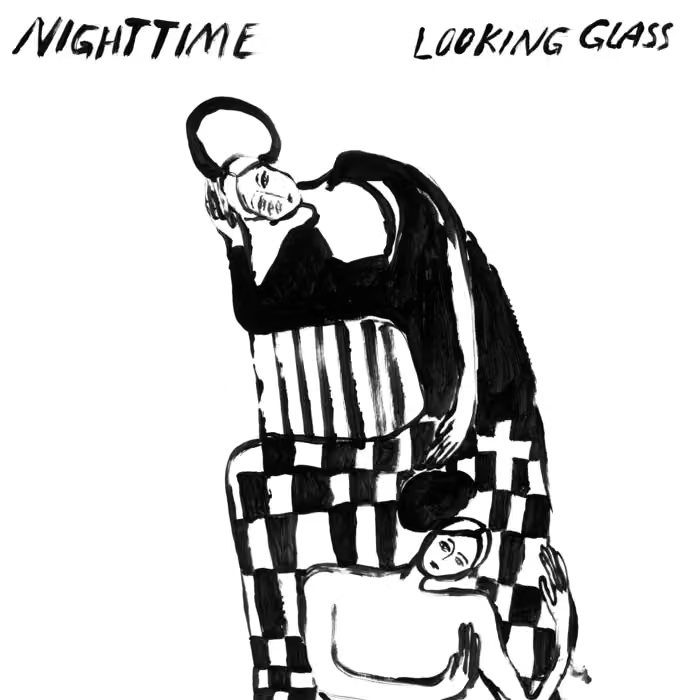
Nighttime - Looking Glass (2026)
Since 2018, when her excellent record Hand in the Dark came out, Eva and I have collaborated on her music and mine, done several extensive tours as bandmates and kept up a musical kinship when she moved to the other coast. I know how deep and intuitive of a musician she is, yet this album was still able to blow me away. These astral-folk leaning pop songs feel like a culmination of a decade of experimentation and searching.
Looking Glass eschews the inward-looking tape hiss invocations for a wide range of collaborations highlighting the scenes in LA and NYC she’s been a longtime member of. While the recording fidelity may be clearer and the disposition a bit sunnier, mysticism is still the soul of the project with lyrics reflecting on the nature of time, love, and the depths that can’t quite be reached with words.
Eva and I have had many long conversations about the depressing state of the music biz and how to navigate it in a way that feels true to our art and ourselves so it was interesting and heartening to see that this album is currently only available on bandcamp. I give this meticulously crafted, fun, yet soulful album my highest recommendation.
A Month of Travel through Movies
Blade Runner (1982) Blade Runner 2049 (2017) (seen on the airplane to Paris)
I had never seen Blade Runner and absolutely loved the atmospheric storytelling and the philosophical questions posed. The sequel, made 35 years later was fine but in comparison felt bloated and lifeless. It got me thinking about how the conditions of filmmaking have changed so much in the past decades crowding out weird visions and trying to turn all “IP” into a franchise.
Juste une Illusion (2026) (seen through Lost in Frenchlation subtitles in Paris)
L and I saw this through a nonprofit group who adds English subtitles to French film. It was a funny and sweet coming of age movie that was kind of like if Superbad had a really good heart and was aware of societal stratification.
Perros Amores (2000) (seen at Angelika in NYC)
If the promotional text is to be believed, this movie kicked off a golden age of Mexican cinema. It tells the story of three lives forever intertwined by a car crash- a poor dogfighter, a celebrity model, and a mysterious vagrant type. At first I had a hard time with the cruelty and hopelessness but it has stuck with me and I think the filmmaker did a good job of showing the way casual harm is perpetrated on every level of society.
Toy Story 5 (2026) (seen at Universal Studios in LA)
My friends Noah and Natalie love spectacle so when I visited them in LA they wanted to see the new Toy Story at the IMAX screen at some sort of Universal Studios fake town square. I had a fun time in the unreality and really enjoyed the movie which rails against screen time and advocates for (Disney branded) imaginative play instead. I especially loved the self-serious slapstick comedy of the Buzz Lightyear army.
Jackass Forever (2022) Father of the Bride (1991) Hoppers (2026) (seen at Noah and Natalie’s house in LA)
At Noah and Natalie’s house we watched these movies as we prepared for their wedding (congratulations!) I had never seen Jackass before but it definitely was entertaining. I think my favorite stunt was Steve-O making a beehive on his dick, least favorite was when they got really hurt. Recently a friend said she liked Jackass because she liked watching men destroy themselves.
Speaking of men, Father of the Bride was awful! It’s like it wanted to be sentimental but it was about this rich factory-owning dad who sees his family as just another one of his vast possessions. The main slapstick part is him sneaking upstairs to check the in-law’s bank statements and the main comic relief is the vaguely gay, vaguely European wedding planners. He has no personal growth whatsoever! It’s like he finally decides to spend lots of money on the wedding, admits he lied, everyone just gets used to him, they hug, the end. There’s a version of this movie that could have been great where you see how idiotic he is, but in this one the gaze is firmly his and it is all the other characters who seem ridiculous. It’s such a time capsule of the type of comedy in the 80’s and 90’s where the whole plot is that a man all of a sudden has to have emotional intelligence instead of business savvy for a second. Are you guys ok???
Hoppers was another pseudo-political Disney movie about environmentalism which was cute and fun but ended on a real centrist compromise where, as Joe Biden once said, “nothing will fundamentally change”. In the end her little glade is protected but the system that threatened it is still 100% intact. I know what you’re thinking, why am I thinking so hard about a movie meant for 8 year olds? And you’d be absolutely right. But the movie plays with such potent imagery, the protagonist blocking a bulldozer with her skateboard, her freeing all the pets from her school- they are signaling towards real animal liberation and eco-justice movements where some of the members have been sent to jail for doing this type of thing. All I’m saying is that I wish the movie could have had more political imagination and collectivity than the lone hero protecting her own backyard.
Testament of Ann Lee (2025) (seen on airplane home from LA)
I loved this movie about the origin story of the Shakers. The musical sequences with eerie dancing and beautiful renditions of hymns were really well crafted. The story felt revolutionary, not just because it partially took place during the American Revolutionary War, but because the Shakers were willing to go to such lengths to live what they believed to be a virtuous life and the sublime transcendence that comes with it.
I am testing out using video embeds with a Penny and the Quarters song me and L sang at our friend’s wedding
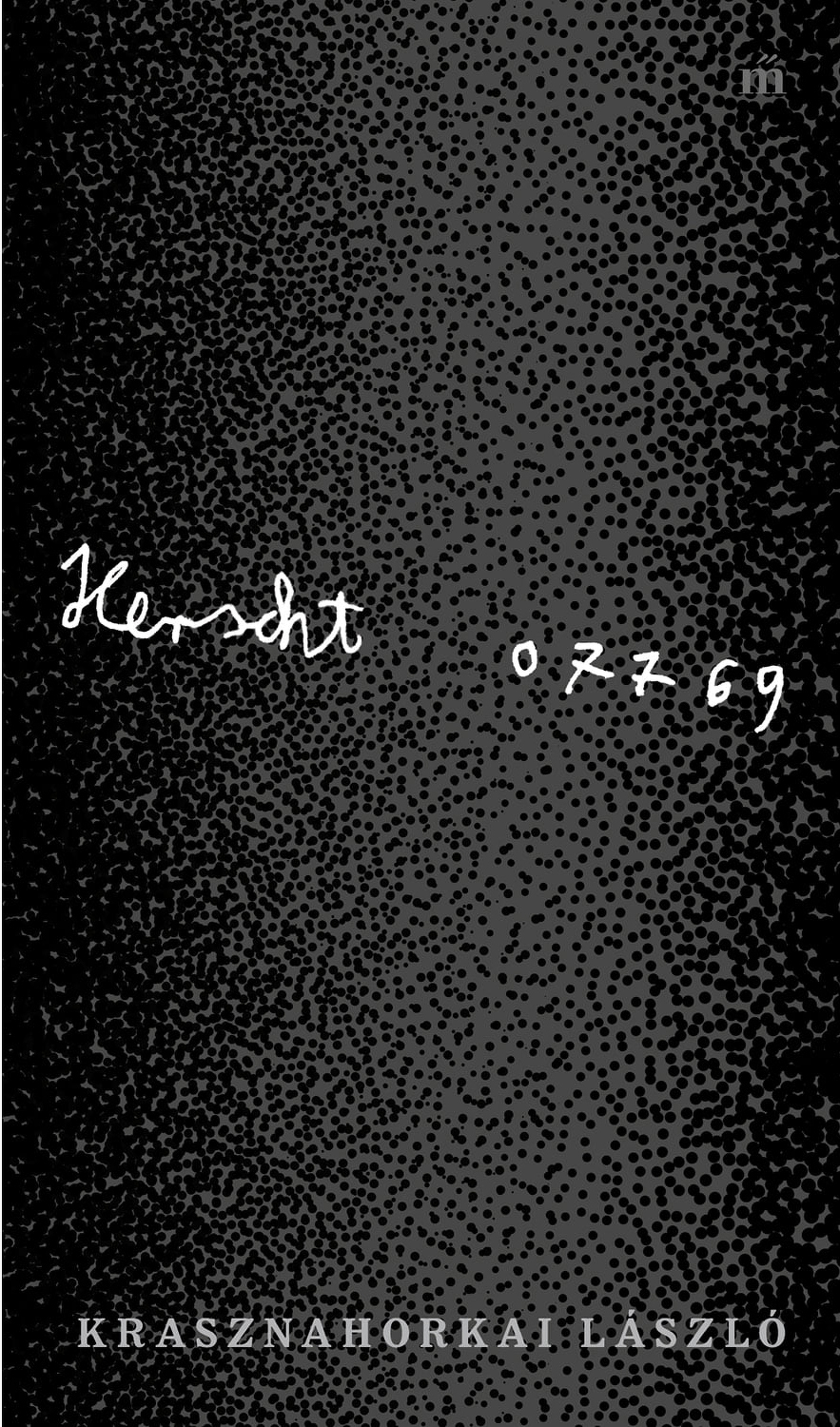
📚 Herscht 07769 by László Krasznahorkai
Reading this book was one of the most profound experiences of art I’ve had all year. Written in 2021 by Romanian Nobel Laureate László Krasznahorkai, the reader is given a penetrating look into a thinly fictionalized East German village. The narrative centers around Florian Herscht, a muscular yet boyishly naive and good hearted young man who doesn’t quite understand that he works for a neo-nazi.
Halfway through I noticed for the first time that the book is entirely one sentence. In interviews the author talks of his writing as having “velocity” and I have to agree. The narration moves unceasingly from one townsperson to the next picking up the inflections and worldview of whoever is currently being described. I’ve never experienced anything quite like it. In a very short time the town of Kana felt completely inhabited.
I was surprised that most reviews say the book is bleak or difficult. I found that the first half described the inhabitants of this small town in ways that were darkly humorous and sometimes even endearing. As the action picks up the story changes to be about the ways they react to fear and chaos in their own ways. Some appealing to the higher powers of God and government, others becoming nihilistic, some numbing themselves, and others transforming in completely unexpected ways.
After reading this, I did a little research and found out that this specific area of Germany is having a serious resurgence of dangerous far right activity in real life. You could say that this book shows the way that fear and nationalistic nostalgia mixed with an economic downturn create the conditions for movements like virulent fascism but I think it goes deeper than that. It also shows the little ways the townspeople give their lives meaning against the backdrop of chaos and randomness. From the post office workers to the town drunk to the amateur meteorologist- everyone’s seemingly erratic behavior makes sense within their own richly depicted yet contradictory inner world.
As usual it got me thinking about my Zen practice which says that suffering cannot be escaped from but only looked at deeply, understood, and transformed. Viewed through this lens the book is not a nihilistic celebration of suffering but an exercise at looking deeply and, if we’re lucky, eventual transformation.
Nolen Royalty on his website One Million Check Boxes and how it accidentally made community
I saw Nolen present at WordHack recently and thought it was incredible, he’s become one of my favorite digital performance artists. I recommend this 7 minute talk on creativity, constraints, and binary.
Brian Merchant on Neo Luddites
I really liked Brian Merchant’s recent post on the neo-luddite movement. He not only gets into the historical context of why skilled textile workers wanted to destroy the machines that automated their craft with poor substitutes that put them out of work but also gets into the current day movements against reckless generative AI companies recreating the same dynamics.
Although I recently enjoyed (and posted about) Neil Postman’s work, I thought Rob Horning made some valid critques here: The postman always rings twice
The parameters within which technology should operate must be established collectively, politically, but mounting moral panics about new technology results only in a withdrawal into individual soul-searching. The point of tech criticism should not be to confirm our powerlessness but to clarify how to better distribute the power that technologies put at our command.
🎵 Ruth Garbus - Profound (Orindal 2026)
I try to check out everything Orindal releases and was rewarded by the new Ruth Garbus record which has a wide-open quality vacillating between the childish and, yes, the profound. Lyrically and musically I feel privileged to be let into this rich inner world

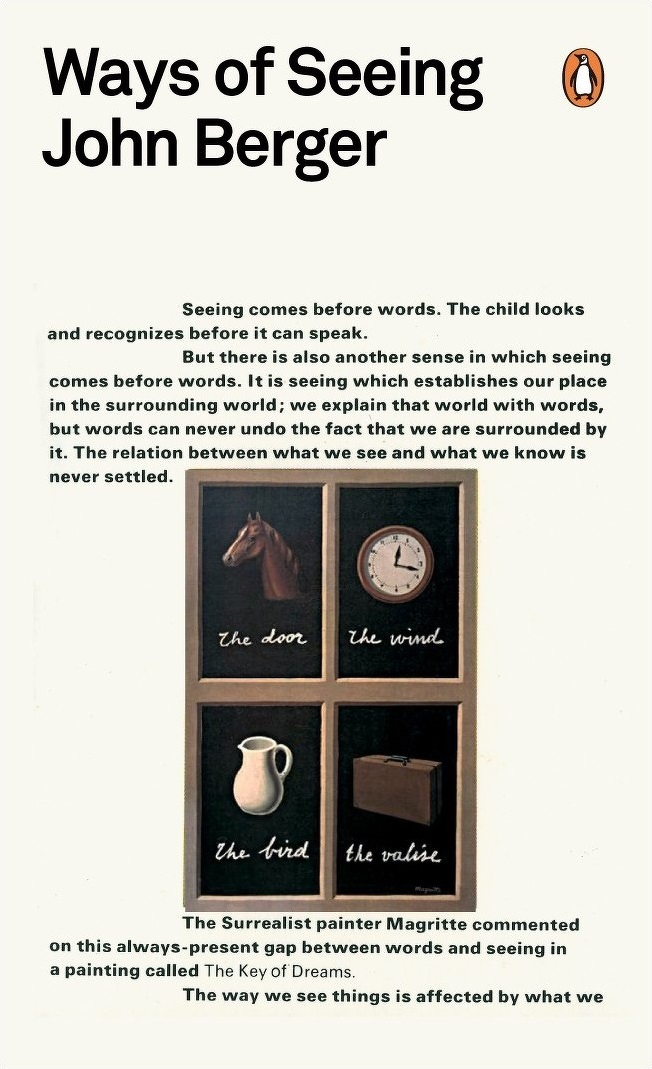
📚 Ways of Seeing by John Berger (1972)
Based off of the BBC show of the same name, this book contains four written essays and two photoessays. I was expecting a sort of Art 101 type of text, which I would have welcomed, but instead I got something deeply thought-provoking and politically radical. I kept being surprised at how contemporary this work from fifty years ago still feels.
The first essay draws heavily upon the work of Walter Benjamin and his ideas of how our relationship to the image changes in the age of mechanical reproduction. Then he moves on to the nude and the objectification of women in European art which feels indebted to Simone De Beauvoir. The second half of the book critiques European oil painting as obsessed with possession, status, and objects and draws a line straight to our current moment of being inundated with ads as our main way of interfacing with the visual.
A line about advertisements stuck out to me, that as a form it is incapable of showing pleasure-in-itself since it would defeat the point of creating desire. He spells out how deeply destructive it is to be surrounded by these images that stir up envy and convert political activism to individualistic daydreaming. It is kind of unbelievable that the BBC funded this, it almost reminds me of Adam Curtis.
Marion Milner's Creative Confrontations by Akshi Singh in Parapraxis
I’m glad to have recently learned about the mid twentieth century psychoanalyst and theorist Marion Milner who specialized in creativity and blockages and I loved this article by Akshi Singh exploring the idea of how creativity “de-idealizes” the self and forces a deep look at ugliness and destruction along with the beauty.
For Milner, both love and work are steeped in risk and danger, presenting terrains where the boundaries of the self are breached, convictions and certainties surrendered, and where destructiveness, aggression, and shame are close at hand. It isn’t Eros versus Thanatos here, love versus evil and destruction. No, for Milner destruction and evil are part of love.
🎵 Whitney Johnson, Lia Kohl, Macie Stewart - BODY SOUND (International Anthem 2026)
I am back from a week abroad and was looking for something grounding while adjusting back to my old timezone. It seemed like a good opportunity to get into the new album of improvised bowed instrumentals by this accomplished trio of musicians whose multifaceted work has travelled through many varied musical ecosystems.
The album has been a rewarding one with improvisations slowly unfolding as the result of expert listening and playing. I’ve been a fan of Macie Stewart’s for a while now but I’ll definitely be checking out the work of the other two members of this trio.