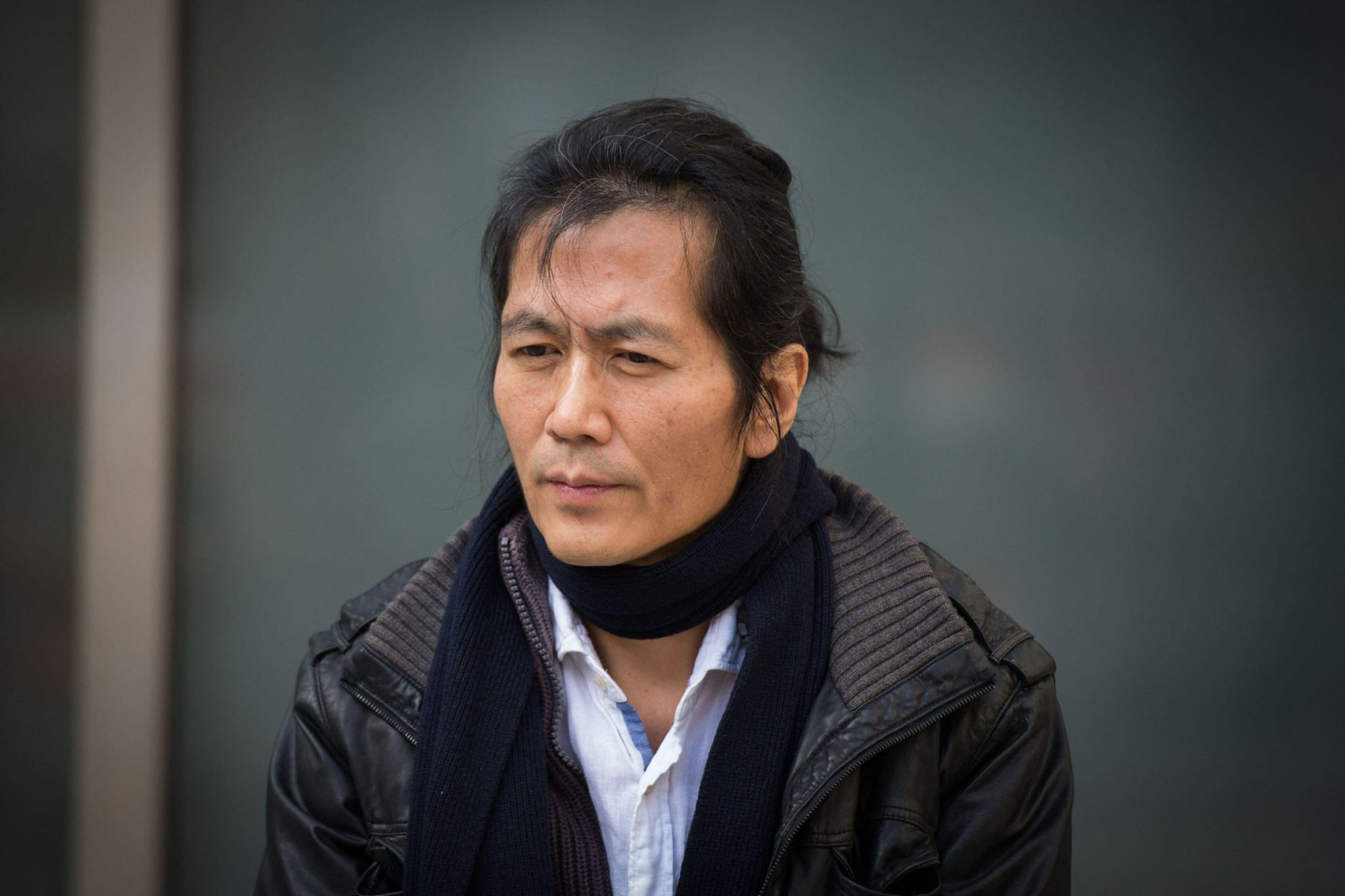
A great primer on the work of Byung-Chul Han
It is safe to say my life has been changed by years of reading the slim philosophy books of Byung-Chul Han. But his way of thinking is very hard to pin down. I thought Why Is Digital Freedom Making Us Exhausted and Sad? by Matt Elmore did a great job tying together his various projects as well as providing some elusive life context. I highly recommend reading it.
My entrypoint to his work was through his book Burnout Society which offers a blistering critique of digital life during late stage capitalism, where “self” becomes a project that must be constantly mastered and freedom turns into a need to always be achieving. There is no rest, just exhaustion and anxiety fueled by an inner boss who can’t be hidden from.
But it was work on rest and time through books like Vita Contemplativa and The Scent of Time that changed my whole paradigm. When there is no contemplation, action loses its meaning. Without inner space it is not possible to have deep encounters and our feeling of time becomes disjointed without any “scaffolding” for memories to be built. This was starting to sound suspiciously like some of the ideas of Zen and lo and behold, he had written The Philosophy of Zen Buddhism which theorized it from a very interesting angle.
I think this article does a good job of showing some of the unresolved (dialectical?) ideas that make his work so compelling to me. He clearly loves German romanticism and the pursuit of eros or beauty but also shows the deep need for inner space created by contemplative traditions. He lands somewhere very interesting where space and beauty work together. That a self shouldn’t be an insular 24/7 project of improvement (which shuts out the world) but a thing that can be loosened so that the immensity of the world can come through in a more profound way. I’ll end this with a quote from the article.
A life organized entirely around the self — its projects, its performance, its wants — leaves no room for the kind of relations in which freedom can actually take shape. The word freedom, Han likes to note, shares a root with friend. One is not free alone. Freedom arises from vulnerability. It begins not in mastery but in exposure, where one is no longer fully one’s own.