Tristan Allen - Osni the Flare (RVNG 2026)
I have been spellbound by the new album by puppeteer and composer Tristan Allen, whose delicate instrumentals dance across piano keys, bells, and reeds before dissolving into the air. It reminds me a bit of Ichiko Aoba, another favorite composer of mine.
🎶 Mixtape for Spring 🌿
He’s more quarterly mix of favorites throughout the past three months, many of which I wrote about on this very blog. Most are self-released or are on local NYC labels so I hope you enjoy and find something new!
Listen on Bandcamp or a slightly different version on Youtube
Tracklist:
Dialect - Earth Angels of the Bone Age
Market - THE VISITORS
Jenny Hval - A ballad
0 stars - Become
Phongsri Woranuch - Sorry Letter
Nina Simone - Love Me Or Leave Me
Ava Luna - Frame of Us
Alick Nkhata - Kalindawalo Ni Mfumu
Old Pup - Stalactites
TWO STEPPES - Rolento
Michael Cormier-O’Leary - Marilyn
The Cosmic Tones Research Trio - Sankofa
Haley Heynderickx, Max García Conover - to each their dot
Ichiko Aoba - mazamun
Lisa O’Neill - Old Note
h. pruz - Force
Sharon Mountain Harmon - Blessed Quietness
📚 Ways of Being by James Bridle
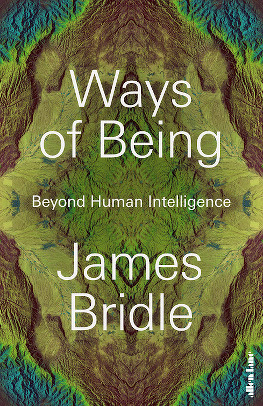
Ways of Being- Animals, Plants, Machines: The Search for a Planetary Intelligence was published in April 2022, mere months before the first public version of chatGPT was released. In a way it is a time capsule of a time before the conversations and consequences of AI were at an emotionally charged fever pitch.
Yet author James Bridle carves out a well-argued and fascinating niche arguing against corporate, extractavist AI paradigms and their accompanying data centers but for non-human and artifical intelligence as a concept and going further to say that plants and animals already have incredible intelligence that is worth studying and working together with.
Notice I said “working together with” and not something like “harnessing” that is because Bridle advocates against the old models of humans being in charge of everything. He notices that the way we are currently thinking about AI is similar to the way we Westerners historically have thought about animals: worker, pet, threat, or invisible in the background. Instead he hopes we can think of ourself more entangled in a big system where human are but one part of it.
Bridle puts this book under the umbrella of the “ecology of technology” which I really like. Although it seems counterintuitive it is important to put technology and its material effects in a conversation with all of the ecological and human systems. To think of it as continuous and not as binary or oppositional.
This is where the book is at its most inspiring. Chapters like Nonbinary Machines and Getting Random take a look at what computing could do if it were more like how natural systems act in the world. At some point he proposes three conditions for better, more ecological machines. 1) to move away from computers running on binaries that reduce the complexity of the world in sometimes violent ways. 2) to work towards decentralization in both the corporations that run everything but also a decentering of the individual and towards the collective good. 3) be more comfortable with machines that are unknowing, which I take to mean moving towards machine learning instead of programmed rules.
There’s plenty I would push back on in this book but I also found my perspective greatly expanded by his framing of the ecology of technology and connecting the dots between how we humans treat the vast intelligences that already exist on this planet and how we might co-exist with the upcoming types of artificial intelligences. It was the exact type of non-binary framework I was hoping to find to think about these big changes in more productive ways.
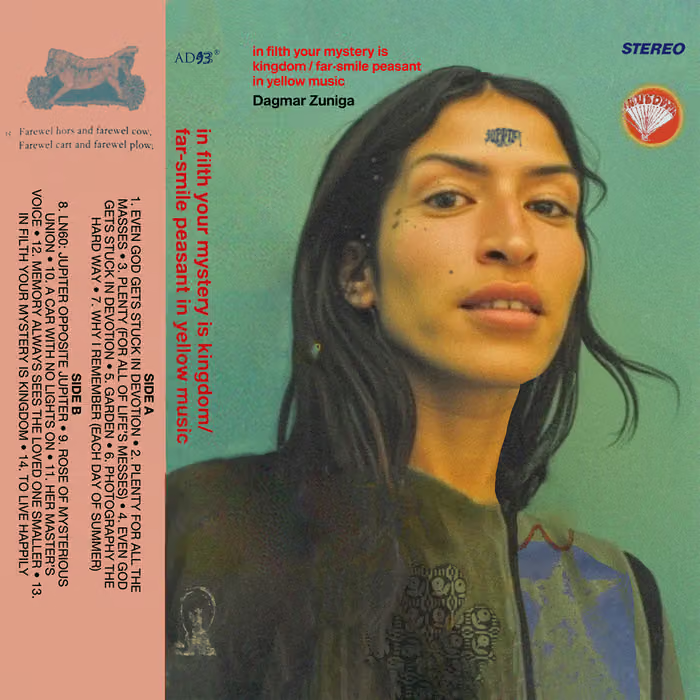
🎵 dagmar zuniga - in filth your mystery is kingdom / far smile peasant in yellow music
Happy first week of spring! I’m currently hooked on dagmar zuniga’s contemporary yet out-of-time devotional pop miniatures. Self-recorded onto cassette tape, the album has an appealing earthiness.
Rosie Spinks on private equity salad chains, homeless encampments, and the accelerating logic of extraction
Extraction isn’t my idea; it’s the operating logic of private equity which, by some estimates, controls as much as 20% of the US economy. The general gist is that everything in our world is driven by the impulse to extract power and wealth from one set of people or resources and move it further up the chain. The higher up the chain it goes, the more detached from reality it becomes. The further down, the sadder and more desperate.
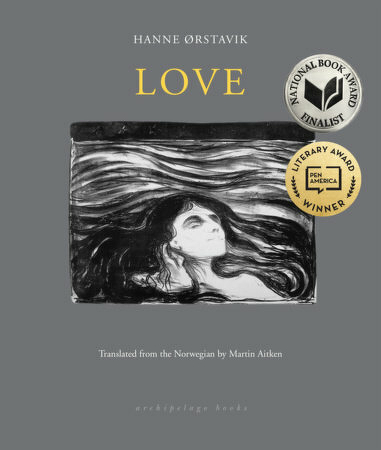
📚 Love by Hanne Ørstavik (1997)
A friend recommended this short Norwegian novel about a lonely single mother and her young son the night before his birthday. The paragraphs seamlessly switch between the two inner worlds, often creating ambiguities or highlighting deeply different ways of seeing the world to tragic effect.
As a story it was unbelievable and punishing but as an allegory it was incredibly moving. It was able to depict the way two hurt people, as they create emotional distance, can eventually barely inhabit the same reality. It is a story of what happens when a relationship is drained of love.
It got me thinking a lot about the Zen teacher Thich Nhat Hanh’s book How To Love, which speaks of these same themes but through the lens of healing. He speaks of difficult feelings as knots of sensitivity that can compound over time and severely distort the ability to be calm enough to see clearly and love. The hope is that the tools of Zen (or whatever works for you) can untie these knots one by one. As an aside, I had written the song Untying a Knot BEFORE I had heard this Buddhist concept!
Powerfully written and difficult, this one will stick with me for a while and for that I am grateful.
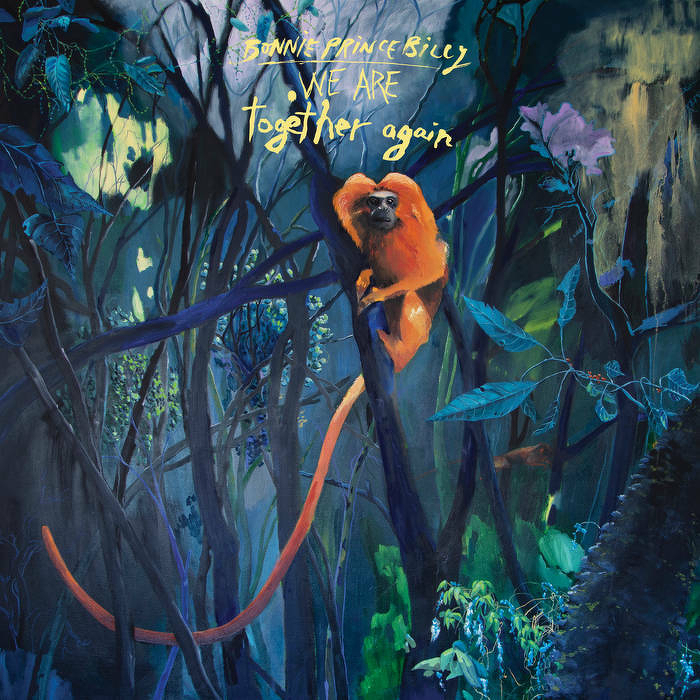
Bonnie Prince Billy - We Are Together Again (No Quarter 2026)
Will Oldham has gifted us another BPB album; this one finds him accompanied by a large ensemble assembled in Kentucky to back up his distinctive americana-esque style. It feels like a continuation of his past couple records which preach love and openness in our time of isolation and fear. I appreciated his interview with Larry Fitzmaurice where he got deeper into the circumstances of making the album including taking care of an aging parent, newfound rootedness, (not) adapting to a changing music industry.
One of my favorite moments is when he sings “the human times have come and gone, we must accept our rule is done” in Life Is Scary Horses. Overall I resonated a lot more with the first half of the record but it is a real treat to have someone like Oldham continuing to chart his own path and still writing lit-up spirit-filled alt country in these dark times.
As a nonacademic, I was blown away by Adam Mastroianni’s deep dive into the corruption of the for-profit scientific journal industry which has a stranglehold on who gets tenure and what research gets done. Apparently Ghislaine Maxwell’s dad was one of the architects of this system??
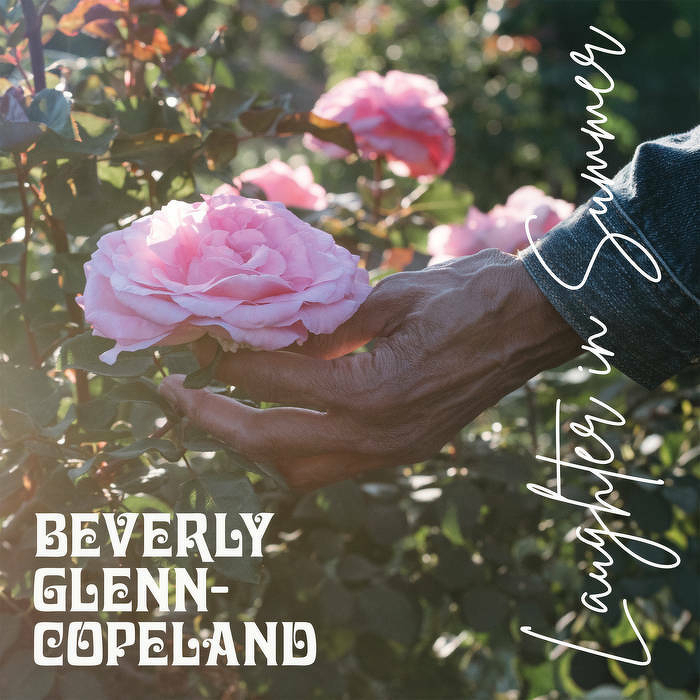
Beverly Glenn-Copeland - Ever New (At Hotel2Tango 2026)
I already loved the peaceful arpeggiating synths of the original version of Ever New, but now 40 years later, this new choral version recorded in the midst of a dementia diagnosis takes on new weight and feels like a true gift to the listener.
Mike Pepi on Software Binaries
I liked this short article from tech writer Mike Pepi which offers a critical perspective on organizing societies around software where the intangible and ambiguous seems to give way to the efficient and definiable.
My hope is to find ways for these two ideologies to co-exist. To have trains that run on time AND have well funded community spaces for communal expression. For art to exist in interesting contexts shared and reviewed by real people instead of converted into a huge bundle of machine-readable metadata to be consumed and regurgitated by LLM’s or algorithmic feeds between targeted ads.
Is there a way for cloud-based software to intersect with the deeply human experiences without a sort of corruption from the limitations of binary code, network effect exponential growth, and penetrating surveillance? My gut is this is less of a technological issue and more about defining what is deeply important to our souls and protecting it
Messenger by Mary Oliver
_My work is loving the world. Here the sunflowers, there the hummingbird— equal seekers of sweetness. Here the quickening yeast; there the blue plums. Here the clam deep in the speckled sand.
Are my boots old? Is my coat torn? Am I no longer young, and still half-perfect? Let me keep my mind on what matters, which is my work,
which is mostly standing still and learning to be astonished. The phoebe, the delphinium. The sheep in the pasture, and the pasture. Which is mostly rejoicing, since all the ingredients are here,
which is gratitude, to be given a mind and a heart and these body-clothes, a mouth with which to give shouts of joy to the moth and the wren, to the sleepy dug-up clam, telling them all, over and over, how it is that we live forever._
~ “Messenger” by Mary Oliver, from Thirst
This Mary Oliver poem was in today’s Prisons, Prose & Protest newsletter. I hope we too can learn the ways of “mostly standing still and learning to be astonished”
Market - Cleanliness 2: Gorgeous Technologies (2026 Western Vinyl)
I absolutely love Nate Mendelsohn’s new record. I did a rare back to back listen to catch the bonkers, constantly unraveling pop production and spiralling, stream of consciousness lyrics. The whole album is definitely worth a spin.
The Inhuman Intelligence That Already Rules Us
Last week I wrote an essay about how it is the process of an ecologically grounded, collaborative, human-scale art practice that makes it meaningful and fundamentally different from content that is prompted via corporate generative AI systems even though they share the same outcome- a piece of digitized art/content oftentimes distributed algorithmically on an online platform.
I felt compelled to write it partially to give myself and other struggling folks a little pep talk but also because it is an existential time, one where we have to stake out our philosophical positions in the midst of the inevitable ruptures in what it means to be human. The more I read and observe, the more I am convinced that it is the embedded logic of non-stop growth at any cost, reducing the complexity of the world into exploitable data points, and turning humans into addicted, spiritually-broken consumers that we must name and offer alternatives to.
One framework I came across in the introduction of James Bridle’s excellent-so-far book, Ways of Being, is to consider an “alien” intelligence that is already here. These aliens are the largest corporations, private equity firms, and financial institutions. In the USA at least, we have given corporations human rights yet they don’t (easily) die and have a psychopathic need for profit margins. They don’t mind lobbying governments to change safety regulations to poison populations, or outbidding people for huge swathes of housing to create a class of permanent renters. They don’t care about supporting brutal dictatorships in other countries for cheaper resource access. They do not flinch if their medicine is so expensive that people die or have pause when they make profit from number of inmates in a private prison. They do not feel like part of an ecological community, they are not moved to help human flourishing or consider their long term effects on the planet. They are singularly, maniacally focused on metrics that lead to two related outcomes: lower costs, higher profit.
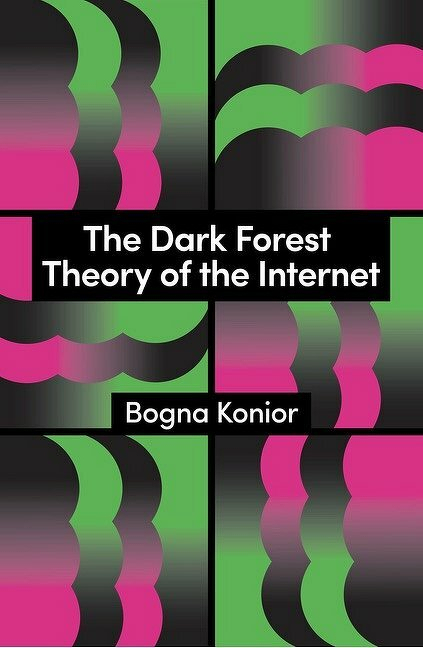
We are only useful to these aliens as workers or consumers. And if our work is getting increasingly automated then our main role will be as disempowered consumers. In an interview about her book Dark Forest Theory of the Internet, media theorist Bogna Konior continues the alien metaphor but argues that we may also remain useful as vectors of training data with everything we do in the open web being used to update LLM systems on human behavior. In a separate lecture she wonders if we have gone from using machines to interface with each other to using each other to interface with machines, a feeling I often get when browsing algorithmically sorted media.
This would be a great time for the government to step in and create privacy laws, to demand transparency and guard rails but in the the tech age these aliens have become more powerful than any government. In the case of the USA our current economy is making an all-in bet on LLM’s and the extractive infrastructure needed to run it. Any attempt at opposing this agenda will cause deep economic harm to almost any citizen who has a retirement account which creates a very strange alliance between exploiter and exploited.
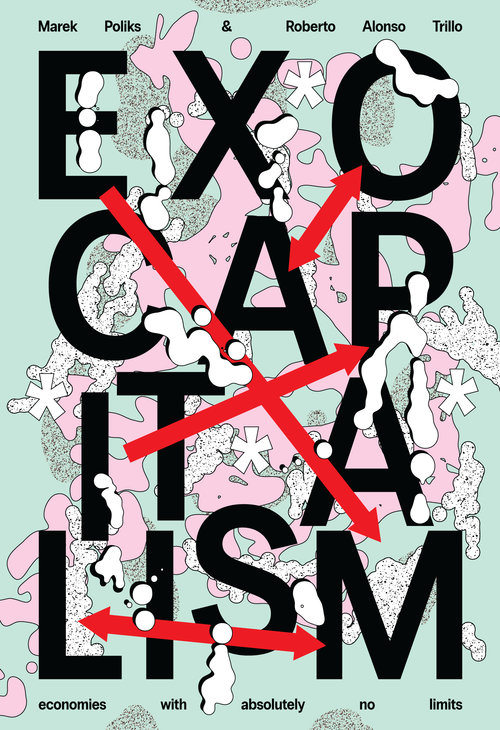
Exocapitalism by Marek Poliks and Roberto Alonso Trillo take the alien metaphor the furthest. The authors argue (though I’m not fully convinced) that capitalism itself is a non-human intelligence who found humans to be the most useful tool towards its goals of endless growth, efficient extraction, and abstraction away from our shared ecological reality. They wonder if we are entering a phase where this exocapitalistic drive is trying to untether itself from the limitations of humanity for something that could be even more efficient with less physical shortcomings. Although the book is quite provocative and makes some fascinating points, I believe we have now found ourselves squarely in actual sci-fi territory.
What I am hoping to show is that these companies ARE making artificial intelligence. But they aren’t artificially emulating the human or ecological kind, instead they are further spreading the narrow, corporate intelligence that only knows how to categorize and plunder, to keep virtualizing and rebuilding the world in a biologically-agnostic image. Untangling ourselves from these systems of exploitation (inside and outside ourselves!) is an important way forward as we find ways to resist the “inevitabilities” that these tech oligarchs promise their stockholders while everyone else wonders “why is this happening?” as their way of life is completely destabilized by an unregulated, uncaring, profit hungry, well… alien entity.
I think a diversity of tactics will be helpful from the inspiring protests over data center building, stronger local communities, a rethinking of how humans and technology can co-exist with ecological systems instead of dominating them, making regulation a major bipartisan issue for politics at all levels of government. But most of all this will require deeps wells of imagination, perspective shifting away from human hubris, and collective reckoning over what a meaningful and compassionate life might look like outside of consumption and experimenting with ways to make it happen right now.
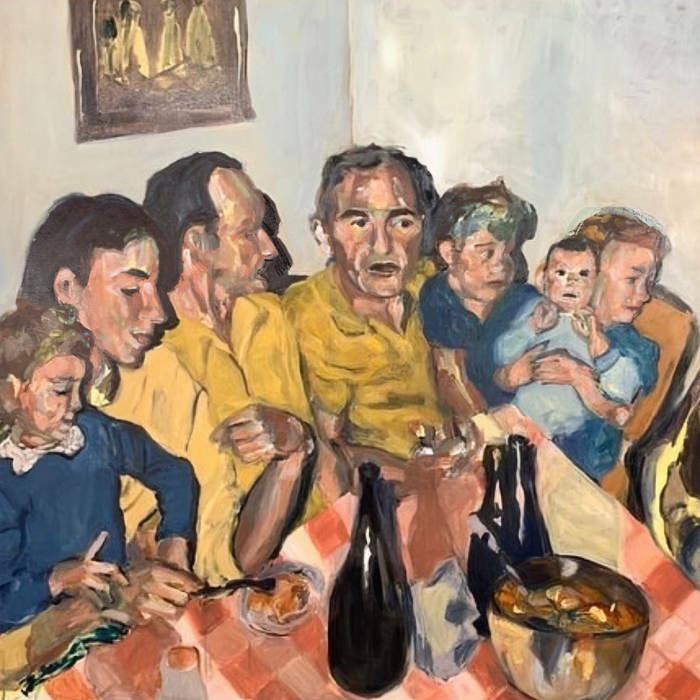
Michael Cormier-O’Leary - Proof Enough (Dear Life 2026)
I’ve been playing this EP a lot this week from the founder of a favorite label of mine, Dear Life. It uses vignettes to explore how “familial tendrils pervade our perspectives”. I especially love the warm yet strange harmonies of Marilyn
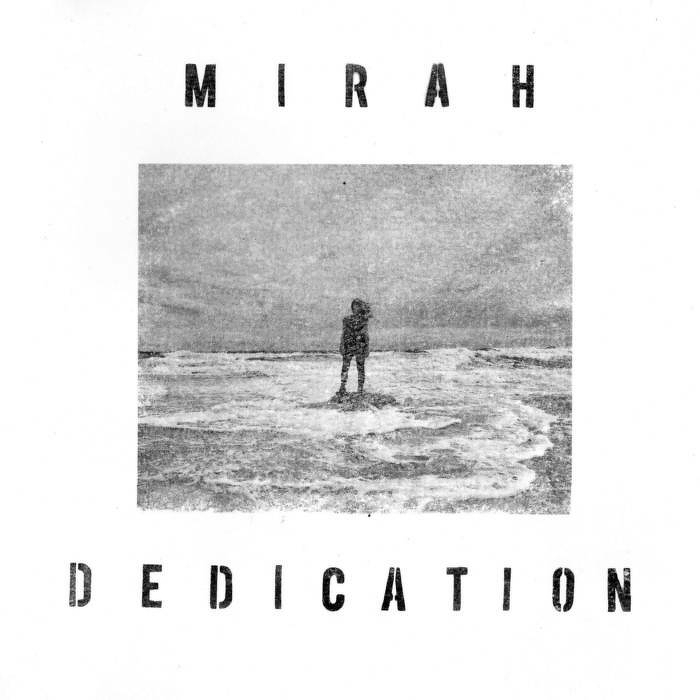
🎵 Mirah - Dedication (2026)
Mirah’s earnest songwriting and lushly intimate production have been a big influence on me for a couple decades now. I’ve enjoyed the first couple listens to her new album which is heavy with themes of covid isolation, starting a family, losing a sense of place as a musician. Yet the double meaning of Dedication also comes through, contextualizing the album both as a gift and a show of resolve. I found myself a bit distracted by the production choices on a couple songs that took me out of the moment but mostly I’m very happy to re-enter a musical world from an artist I’ve listened to since high school.
Recommended Track: After The Rain
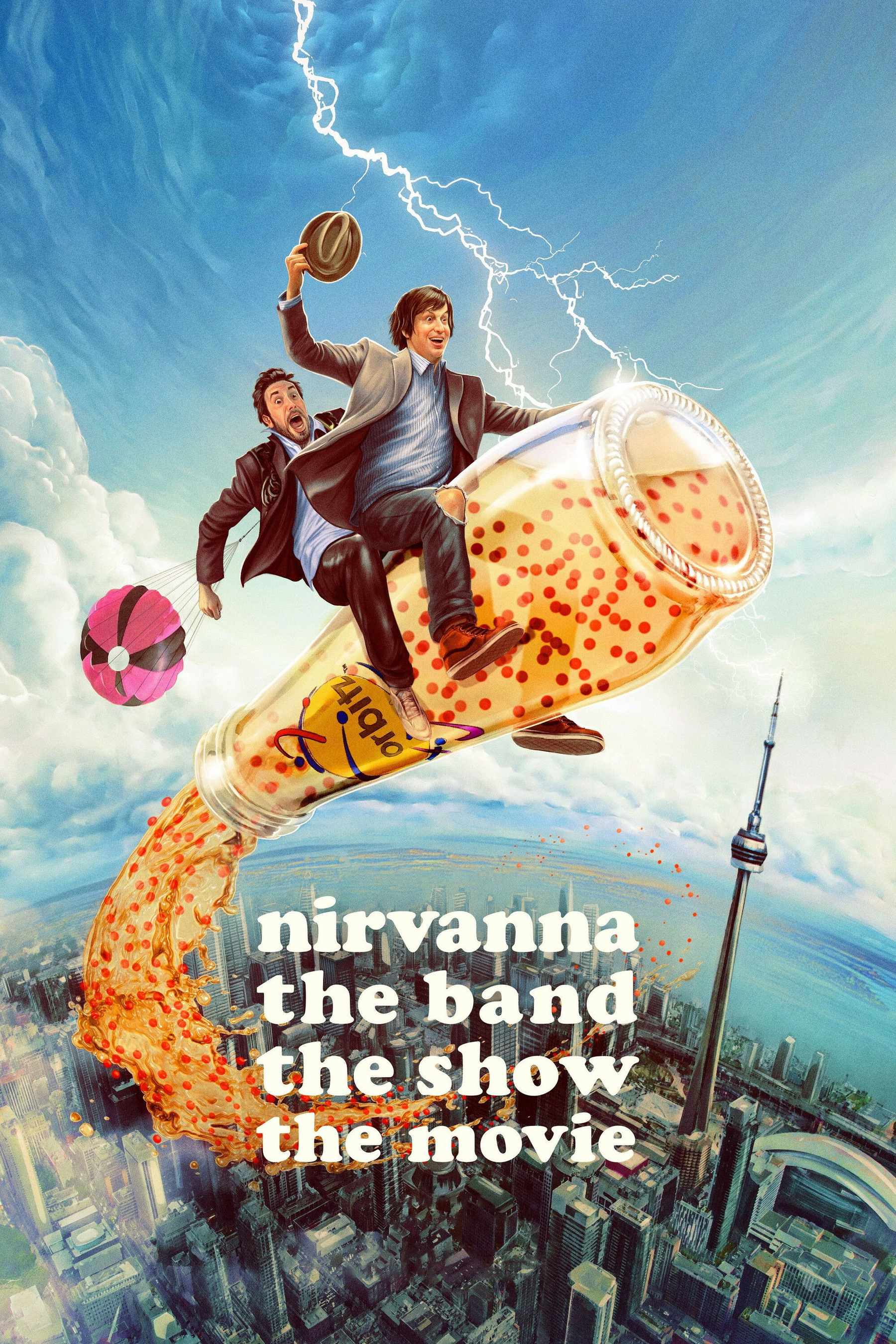
🍿 Nirvanna The Band The Show The Movie directed by Matt Johnson (2025)
I recently caught this ridiculous mockumentary style movie about a fictional group called Nirvanna The Band, a best friend duo who spend seventeen years unsuccessfully trying to play a modest sized venue. I expected lots of indie band in-jokes and irreverent time-travel hijinx but not Mission Impossible level stunt work atop a Toronto skyscraper. I love how a realistic and attainable artistic goal could spiral into such an epic plot.
Compost Modernity written by Yogi Hale Hendlin in Aeon
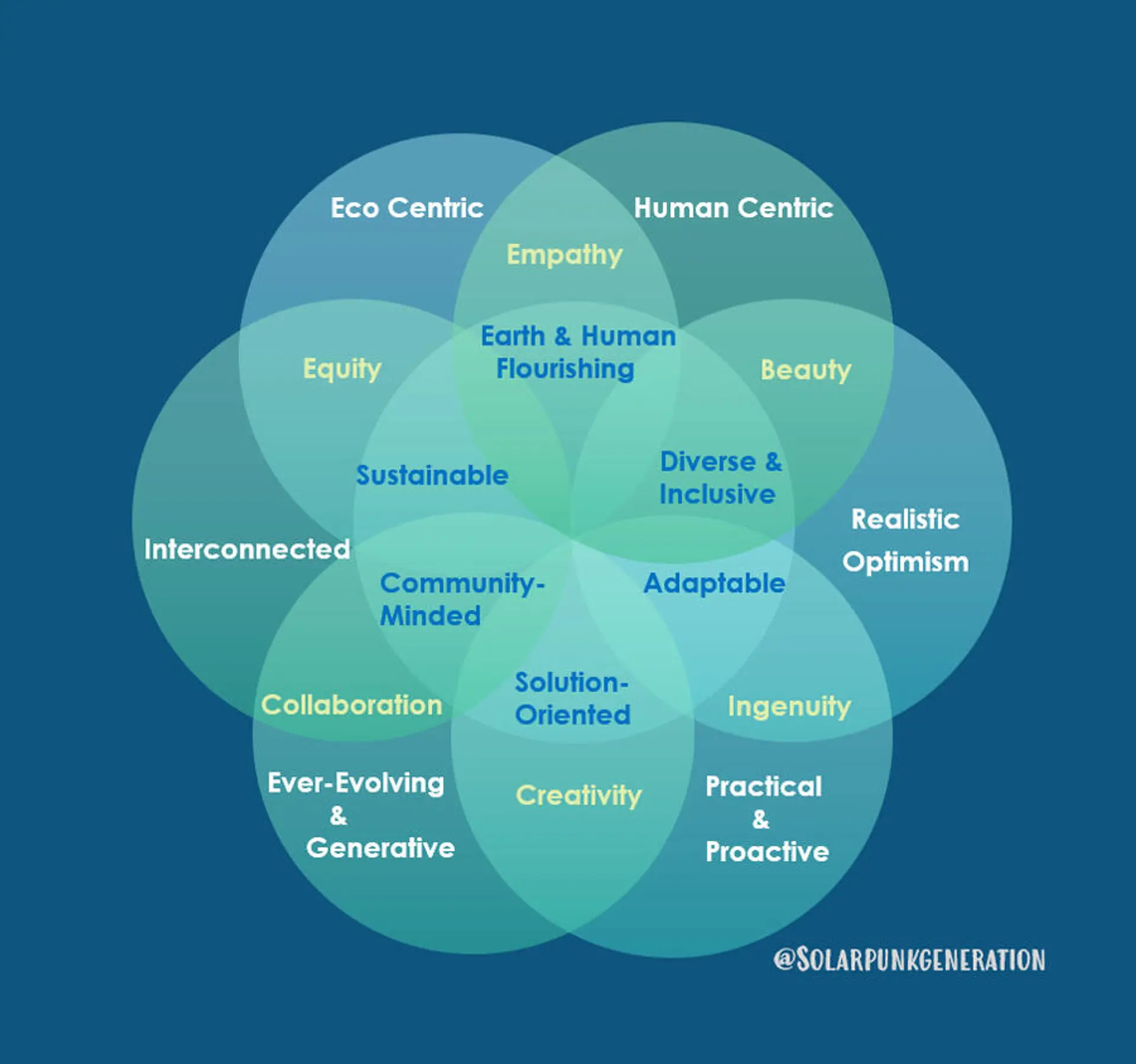
This seems like a good entry point to learning about the solarpunk movement and it’s ethos of using technology in collaboration with ecological systems instead of dominating them. My only qualm is the author misunderstanding Luddites.
🎵 Spider Towns by Old Pup (2025)
I found this midwestern cosmic country record through a favorite local label, Ruination Records, who is now distributing it. I like the darkly funny lyrics and jangly arrangements slightly obscured by lo-fi charm. Fav track: Stalactites

The Dark Forest Theory of the Internet by Bogna Konior (on the Hermitix podcast)
I really enjoyed this insightful and far out conversation on the Hermitix podcast with the media theory scholar Bogna Konior, I’ll definitely be picking up her book. She pulls from sci-fi, theology, the study of non-human intelligence, and the roles of deception to weave together a thought experiment where the most intelligent thing to do as a human may be to stop communicating in open internet spaces (and yes I see the irony of posting this in an open internet space). I was especially compelled by her ideas about monks and prayer and if that type of reverent silence is possible within networked digital spaces.
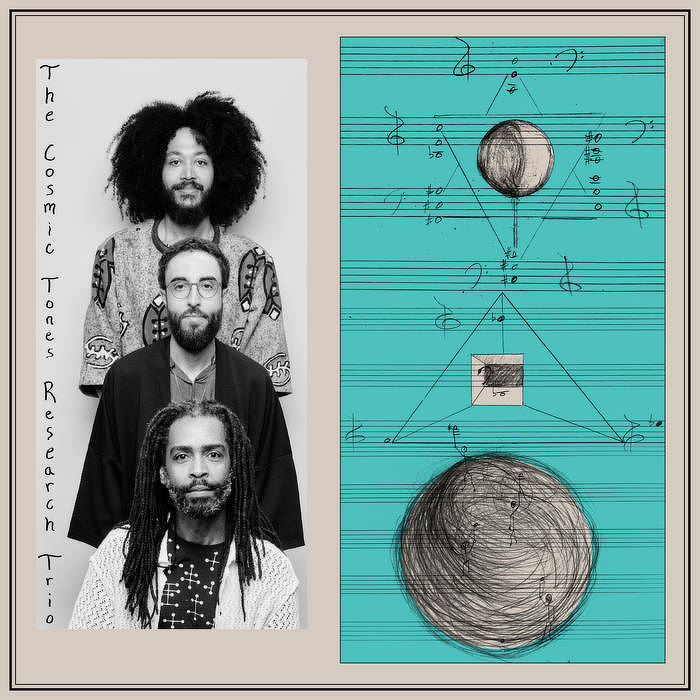
🎵 The Cosmic Tones Research Trio - s/t (Mississippi Records 2025)
I recommend this CTRT album consisting of mostly instrumentals of varied, spiritual jazz adjacent arrangements. Somehow it feels simultaneously deep yet breezy but, as the liner notes say, it is NOT background music.